
- Home
- Programme
- Registration
- Practical Guide
- About Neuronus
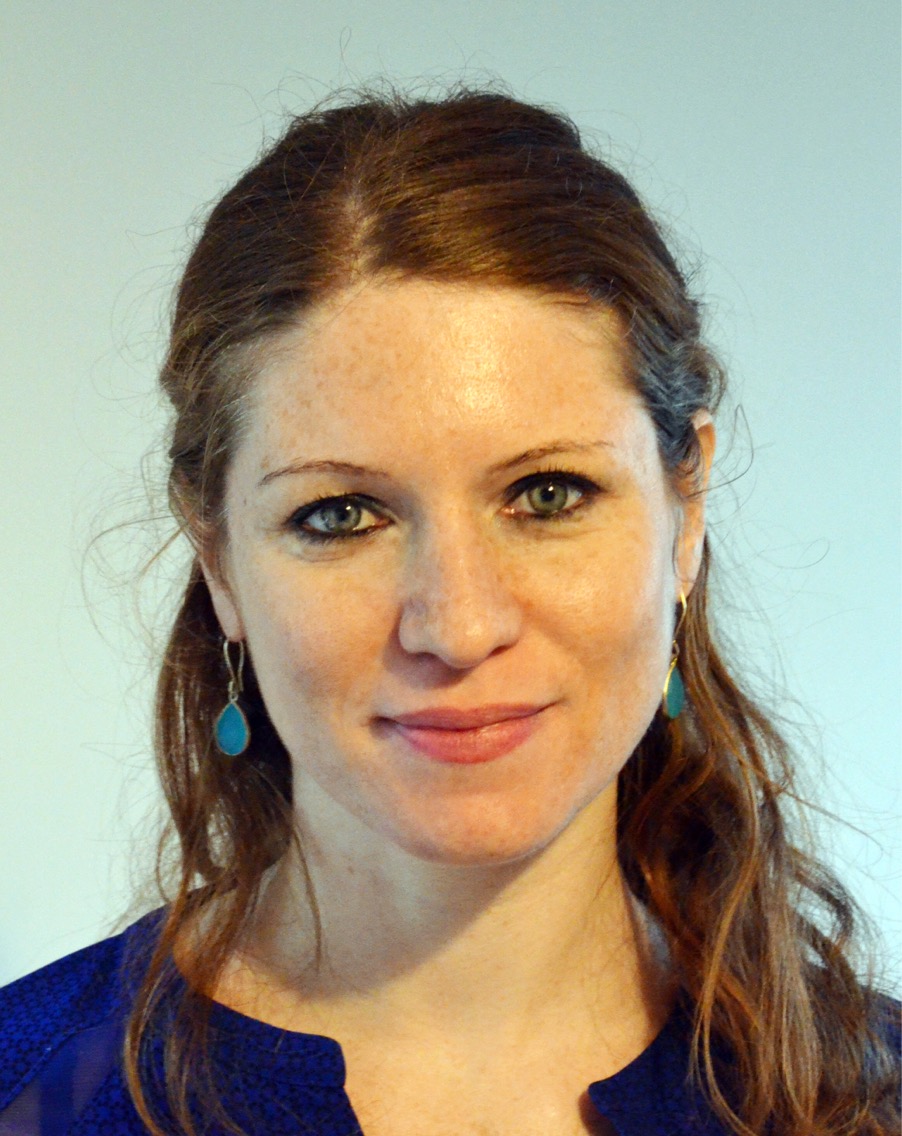
University of Birmingham, UK
Carolina Rezával is Professor of Neurogenetics at the School of Biosciences.Born in Patagonia, Argentina, she earned her PhD in Biology from the University of Buenos Aires, studying circadian rhythms and neurodegeneration in Drosophila. Her postdoctoral work at the University of Oxford focused on the genetic and neural basis of sexually dimorphic behaviours in flies. As a BBSRC Research Co-Investigator, she examined how differences in male and female fly brains drive distinct behaviours. Professor Rezaval was awarded a Birmingham Fellowship and established her research group in mid 2018.
Carolina is a Fellow of the FENS-Kavli Network of Excellence and her research has been supported by UKRI, Leverhulme Trust, the British Council, The Royal Society, and the Wellcome Trust.
Talk: "Resolving Conflict in the Brain”
Animals constantly face situations in which competing drives demand incompatible actions. Should they pursue food or avoid danger, continue courting a mate or flee from a predator? Resolving such conflicts requires the brain to rapidly integrate sensory information with internal motivational states to select a single behavioural outcome. Using the fruit fly Drosophila, my laboratory investigates how neural circuits prioritise behaviour when animals confront these high-stakes choices. By combining quantitative behavioural analysis with neural circuit mapping and functional imaging, we examine how social context, internal states, and prior experience reshape the neural computations that guide action selection. Our work is beginning to reveal fundamental principles by which neural circuits resolve behavioural conflict and establish priorities.